Transport, dress and the evening
Getting to the Boma and what to wear
How to get to the Boma outside Victoria Falls town, what to wear by season, language and money, and the music you will hear, checked against official pages.
Check dates and availability ↗Quick answer
The Boma is on the Victoria Falls Safari Lodge estate, about 3 km from the town centre, and you can't walk there from town because the road runs through the national park. Plan a ride both ways: check whether your booking option includes pickup, or ask your hotel to arrange a taxi. The Boma's pages list no dress code, so wear light, comfortable clothes with a layer, and cover up against insects in the evening. English is widely spoken.
Where the Boma is
The Boma sits on the Victoria Falls Safari Lodge estate, which the lodge says is about 3 km (2 miles) from the city centre. It is on a private estate rather than in the town itself, so it isn't a place you reach by wandering in on foot. If you are flying in, Victoria Falls Airport is 18 km south of the town. It operates 24 hours a day and has shuttle services to hotels. The lodge describes its estate as fenced to keep large and dangerous animals out, which is one reason the arrival and departure are worth planning.
Getting there and back
Plan the ride before you plan the dinner. The lodge's own FAQ says you can't walk between the estate and town, because the road goes through the national park and you may meet dangerous wild animals. Guests staying on the estate use its shuttle to and from the Boma. Everyone else needs a car or a taxi both ways. Check your booking option for pickup, and if it isn't listed, ask your hotel to arrange a taxi. Confirm with the Boma or your hotel how your driver will reach the door and take you back.
What to wear
The Boma's own pages list no dress code. On arrival you are wrapped in a chitenge, a printed cloth worn like a sarong, so the evening is not formal. Choose light, comfortable clothes and carry a layer. The lodge advises long trousers and long-sleeved shirts in the evening during the main malaria months, which it gives as August to February, and says the region has a very low incidence of malaria but that it has not been eradicated. It recommends prophylactic tablets all year, so ask a doctor or travel clinic about prevention well before you travel.
Seasons: what changes and what doesn't
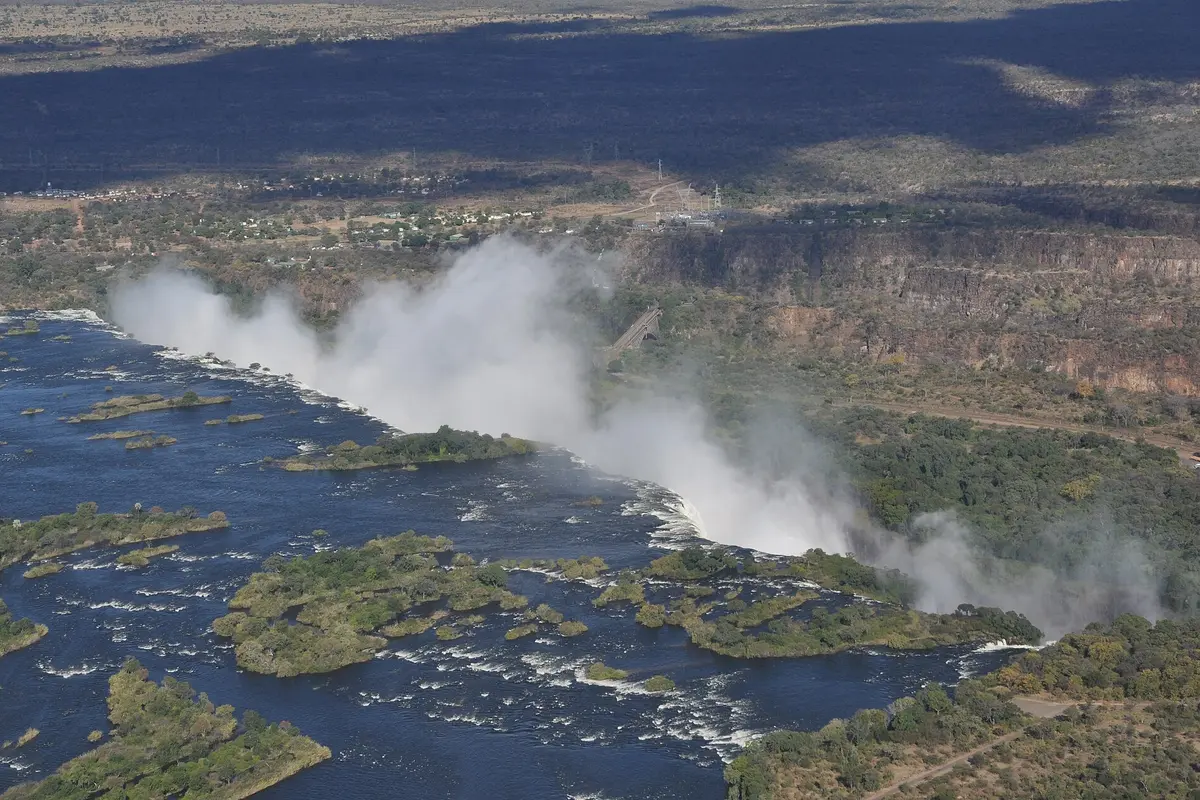
The Boma says it is open for dinner every day, so the season shapes your clothes and your daytime plans, not whether the evening runs. The lodge describes September to March as hot and humid, often with brief afternoon thunderstorms, and May to August as generally mild and dry. The Falls change more. Their water is highest a few months after the rainy season and lowest late in the dry season. In high flow the whole length is a wall of falling water with limited visibility. In low flow the rock face shows and the view is clearer.
Fitting the evening into your day
Treat the Boma as the end of the day. The evening is one sitting that runs for a few hours, so you can't dip in for a short visit, and the booking calendar and your confirmation show the start time. Do the Falls, a cruise or a game drive earlier, and leave a gap to rest. The lodge says park fees for activities are paid directly to National Parks in cash, so sort those out in daylight rather than relying on an evening cash stop. Keep the next morning's plans light if you can.
Language, money and tipping
You don't need Shona or Ndebele to manage. The lodge says Zimbabwe has 16 official languages, that English, Shona and Ndebele are the most widely spoken, and that English is the language of business. In Victoria Falls it names Nambya, Tonga, Nyanja and Ndebele as the most widely spoken. The Boma accepts American Express, Mastercard and Visa. The main currency in Zimbabwe is the US dollar, and the lodge suggests small notes for souvenirs and tips. It adds that Zimbabwe has no tipping guideline, so tipping is your call.
Children, access and a long evening
The Boma's official pages state no minimum age and don't describe step-free access, and no other source checked does either. If you travel with young children, or anyone who uses a wheelchair or has limited mobility, ask the Boma or the booking provider before you pay, and keep the answer in writing. Bear in mind that the evening is a single sitting of a few hours, that guests are invited to take part, and that the djembe is described as a very loud drum.
The music you'll hear
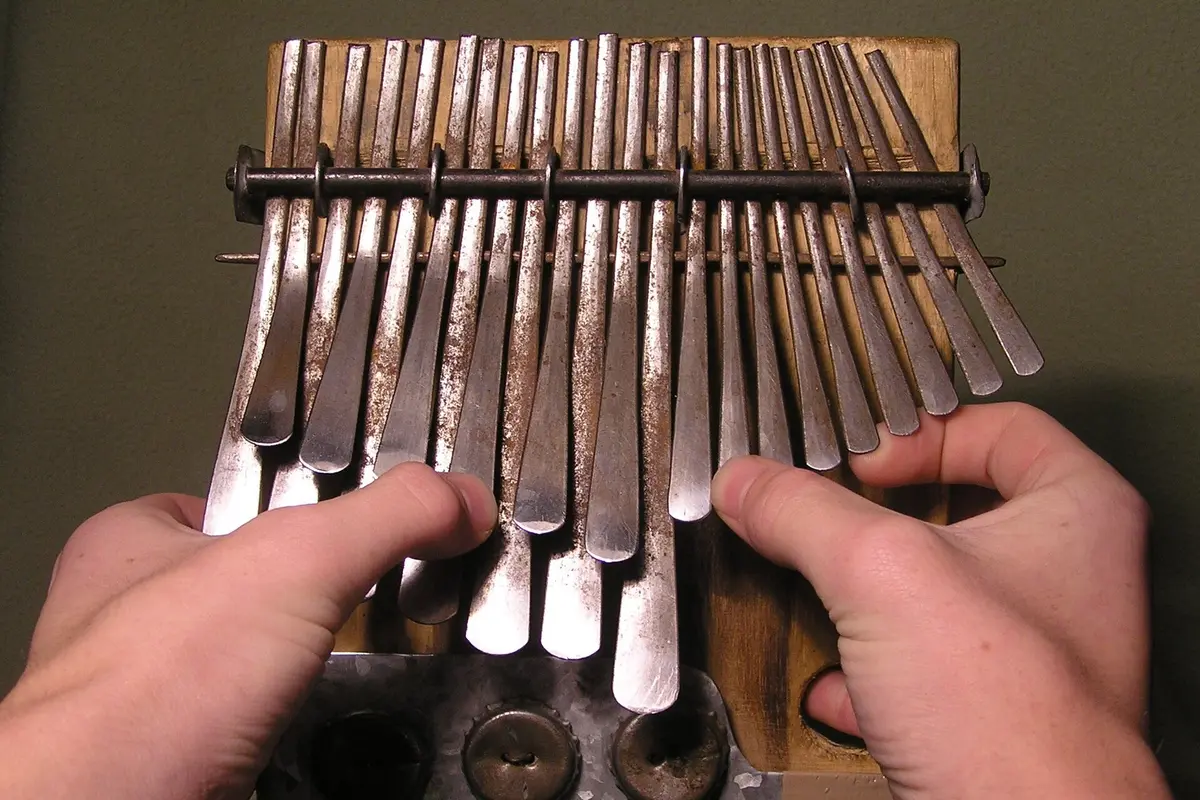
The Boma's pages name mbira music among the evening's entertainment. The mbira is traditional to the Shona people of Zimbabwe: a wooden board with metal keys, plucked with the thumbs and fingers. UNESCO added the art of crafting and playing the mbira, a joint listing for Zimbabwe and Malawi, to its Intangible Cultural Heritage list in 2020. It notes that songs carry social messages. In Zimbabwe the mbira is also played at ceremonies and weddings, and ngoma drums and the hosho, a percussion instrument, often sit beside it. The Boma doesn't say which dances or groups perform on a given night.
Read next: Boma dinner and drum show: how to book
Taking part with respect
The people on stage are artists working an evening, so applaud, join in when invited, and ask before photographing individuals. Treat the chitenge and face paint as a welcome. The Boma explains the dots given to women as signifying the beauty of African women, and the stripes given to men as the warrior look. In Zimbabwe, dance is communal and used for enjoyment and for ritual. Music and dance have also carried history and protest. You are watching an evening staged for visitors, not a ceremony.
Who this isn't for
Skip it if you plan to walk to dinner: the lodge says that isn't possible. Think twice if you can't arrange a ride home, or if you want a short, quiet evening, because this is a long, lively sitting with drumming. If you need confirmed step-free access, or have very young children, get the answers in writing first, as the official pages are silent on both. And if you need strictly kosher meals prepared on site, the Boma says it can't provide them.
Frequently asked questions
How do I get to the Boma from Victoria Falls town?
By car or taxi. The Boma is on the Victoria Falls Safari Lodge estate, about 3 km from the centre, and the road runs through the national park, so you can't walk. Check whether your booking option includes pickup.
Is there a dress code at the Boma?
The Boma's official pages list none. Wear light, comfortable clothes with a layer, and long sleeves and trousers in the evening during the main malaria months, as the lodge advises.
Do I need cash at the Boma?
The Boma accepts American Express, Mastercard and Visa. The lodge suggests small US dollar notes for souvenirs and tips, and says Zimbabwe has no tipping guideline.
Do I need to speak a local language?
No. English, Shona and Ndebele are the most widely spoken languages in Zimbabwe, and English is the language of business, so English is enough for booking and getting around.
Is the Boma open all year?
The Boma says it is open for dinner every day. The season changes the weather and the Falls' water levels, not whether the evening runs.
Can children go to the Boma?
The official pages state no minimum age. Ask the Boma or the booking provider before you pay, especially for young children, because the evening is long and involves drumming.
Sources
- Frequently asked questions (Victoria Falls Safari Collection)
- The Boma – Dinner & Drum Show (Victoria Falls Safari Collection)
- The Boma evening and its timeline (Victoria Falls Safari Collection)
- Mbira/Sansi, Representative List (UNESCO Intangible Cultural Heritage)
- Victoria Falls Airport (Wikipedia)
- Victoria Falls (Wikipedia)
- Mbira (Wikipedia)
- Music of Zimbabwe (Wikipedia)